
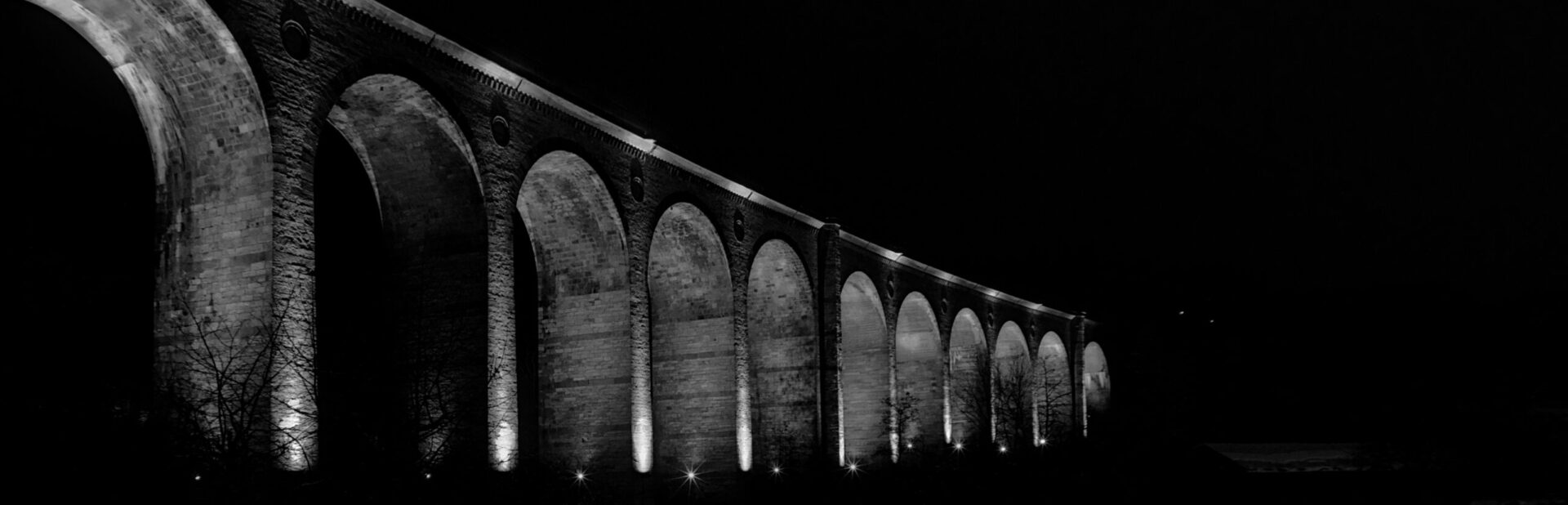
Digital photography is an art in itself because it combines creative vision, technical skill, and interpretive expression to produce meaningful visual work. Like painting or sculpture, digital photography begins with the artist’s perspective; what they choose to frame, emphasise, or exclude. The camera is a recording device; it is a tool guided by intention, emotion, and storytelling.
Defining artistic aspects of digital photography is creative control. Photographers make deliberate choices about composition, lighting, colour, timing, and perspective. Decisions such as depth of field, shutter speed, and angle shape how a viewer experiences the image. These choices transform ordinary scenes into expressive works that communicate mood, narrative, or symbolism.
Digital technology further expands artistic possibilities through post-processing. Editing software allows photographers to refine tones, manipulate colour, enhance contrast, much like a painter layering pigment on a canvas. This process is not about deception, but interpretation; shaping reality to reflect an artistic vision. The final image often represents how the photographer felt about the moment, not just how it appeared.
Digital photography plays a vital role in contemporary culture. It documents social issues, explores identity, and challenges perceptions, functioning as both aesthetic expression and cultural commentary. Galleries and museums increasingly recognise digital photographs as fine art, affirming their creative value.
Digital photography is an art because it demands imagination, intention, and craftsmanship. The medium may be modern, but the artistic impulse behind it and the desire to express, communicate, and evoke emotion, is timeless.